01
Bottled water is a choice, not automatic proof of purity
Bottled water can come from different sources and may receive different treatment. Tap water also comes from different sources and is treated under public or private systems. “Bottled” by itself does not answer what is in the water or whether it is a better fit for your home.
The useful comparison is specific: source, test information, packaging, taste, convenience, cost you can verify yourself, and how each option is maintained. Do not assume every bottle has the same quality or that every tap has the same concern.
02
Three ways to get drinking water
A dedicated under-sink system, such as RO, treats a focused stream and sends it to its own faucet. It is often considered when drinking and cooking are the main goals and you can keep up with cartridges and membrane care.
Whole-home filtration treats water at the entry point, which may make sense when taste, odor, sediment, or another documented concern appears at many fixtures. It does not automatically replace a drinking-water system for every goal.
Bottles or delivered jugs offer convenience, but they require storage, transport, and an ongoing supply routine. A clean refillable bottle can be part of either home-treatment choice.
03
Maintenance is part of the decision
A home system only deserves trust when it is maintained. Ask when each cartridge or membrane needs replacement, how to flush the system after a long pause, and where the exact performance information is written.
Rinse and clean a refillable bottle on a regular schedule. Store treated water as directed. If taste or flow changes, treat that as a reason to check the filter and the source—not as proof that a new device will solve everything.
04
A simple bottle-habit check
If you enter how many single-use bottles you use in a typical week, the small tool below will show bottles you could avoid using over a year if you replace that routine with a refillable option. It is not a promise of savings, environmental impact, or health benefit; it is only a way to see the habit in a larger frame.
A quick habit check
How many bottles could you avoid using?
This is a habit estimate only—not guaranteed savings, environmental impact, or a health result.
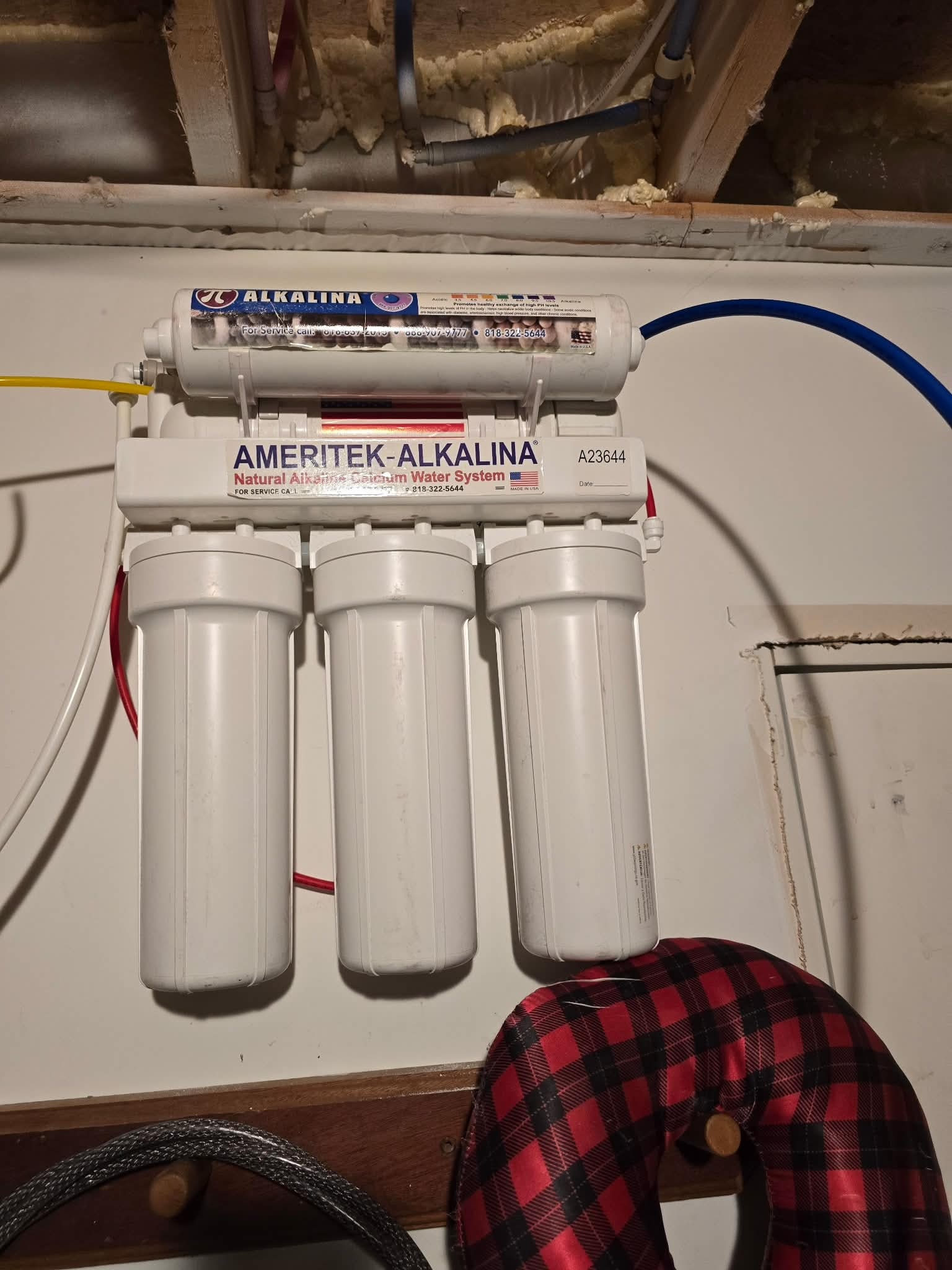
A dedicated drinking-water setup is one option to compare with bottles or delivered gallons. The right choice depends on your water question and the care routine you can maintain.
Official sources
Short educational videos are planned
We plan to record a short video comparing bottled water, delivered jugs, and a dedicated home drinking-water tap. It is not recorded yet, so the written comparison above is the material we can point you to for now.